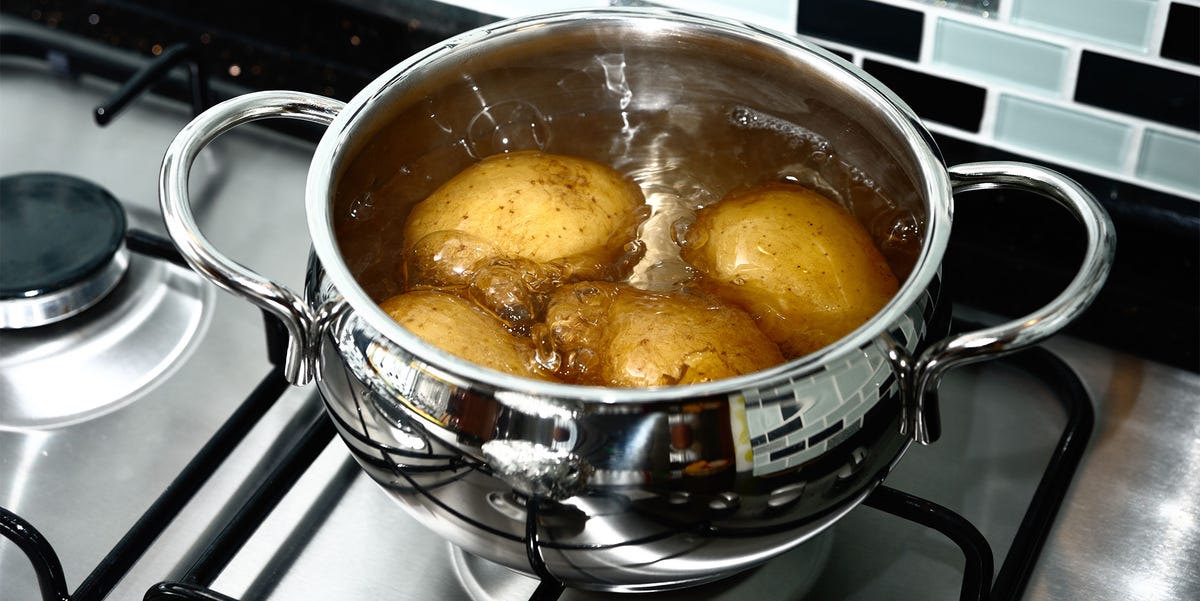
Transform Your Boiled Potatoes: Creamy, Flavorful, & Tender
For too long, the humble boiled potato has languished as an underappreciated, often uninspired, side dish. Many of us have endured bland, watery, or mushy potatoes, leading us to believe this staple can't rise above mediocrity. But what if we told you that your boiled potatoes could be a culinary revelation? Imagine them perfectly tender, lusciously creamy, and bursting with flavor, ready to elevate any meal. It's not only possible, but surprisingly easy to achieve. Forget those past disappointments; it’s time to discover the true potential of this versatile vegetable.More Than Just a Side: The Unsung Hero of Your Plate
Boiled potatoes are more than just a convenient filler; they are a nutrient-dense, comforting, and incredibly adaptable component of a balanced meal. They pair beautifully with almost any protein – from roasted chicken and pan-seared fish to hearty beef stews, tofu scrambles, or simple bean dishes. Their mild flavor acts as a fantastic canvas for countless seasonings and sauces, making them a true culinary chameleon. Historically, cultures around the world, like Germany, have long understood the inherent beauty and satisfying nature of a well-prepared boiled potato. It's a testament to their simple goodness that they can be enjoyed plain, yet transform effortlessly with just a few thoughtful additions. Beyond taste, potatoes offer valuable vitamins and minerals, especially when cooked with their skin on, adding fiber and a rustic charm.The Foundation of Flavor: It Starts with the Water
The first and most crucial step in transforming your boiled potatoes lies in the water itself. Too often, potatoes are boiled in unseasoned water, leaving them tasting flat and uninspired. Think of it like cooking pasta – you wouldn't boil spaghetti in bland water and expect a flavorful dish. The same principle applies here. Starting your potatoes in cold, generously salted water is paramount. This allows the potatoes to cook evenly from the outside in, preventing the exterior from becoming mushy while the center remains raw. As the water heats up, the salt infuses deeply into the potatoes, seasoning them from the inside out and enhancing their natural taste. We recommend adding at least a teaspoon, if not more, of salt per quart of water – it should taste noticeably salty, like seawater. But why stop at salt? To truly achieve a "flavor bomb," consider these simple additions to your boiling water, requiring almost zero extra effort:- Garlic: Toss in a few unpeeled cloves of garlic. As they simmer, they’ll gently infuse the water with their aromatic essence. You don’t even need to peel them; just a quick smash with the side of your knife is enough to release their flavor.
- Dried Herbs: A teaspoon or two of dried herbs like rosemary, thyme, bay leaves, or even a mixed Italian blend can add incredible depth. The heat of the water gently coaxes out their aromatic oils.
- Bay Leaves: A couple of bay leaves can impart a subtle, savory, almost earthy note that complements potatoes wonderfully.
Mastering the Art of Boiling Potatoes: Step-by-Step for Stove, Pressure Cooker & Microwave
There are several effective ways to boil potatoes, each suited to different needs and time constraints. Let's explore the best techniques to ensure tender, creamy results every time.1. The Classic Stovetop Method: Achieving Creamy Perfection
This is the most common and arguably the most forgiving method, allowing for precise control over texture.- Preparation: Begin by washing and gently scrubbing your potatoes under cold running water to remove any dirt or debris. For "little potatoes" or new potatoes, the delicate skin is edible and delicious, offering extra nutrients and flavor. For larger varieties like Russets or Yukon Golds, you can choose to peel them for a smoother texture or leave the skin on for a more rustic feel and added nutrition. If using larger potatoes, cut them into uniform 1 to 2-inch pieces to ensure even cooking.
- Cold Water Start & Seasoning: Transfer the prepared potatoes to a large saucepan or pot. Add your flavor boosters (salt, garlic, herbs). Cover the potatoes with cold water by at least 1 to 2 inches. This ensures all potatoes are submerged and cook consistently.
- Boil and Simmer: Place the pot over high heat and bring the water to a rolling boil. Once boiling vigorously, reduce the heat to low, cover the pot, and maintain a gentle simmer. A rapid boil can cause potatoes to break apart unevenly and become mushy on the outside while undercooked on the inside.
- Cook Until Fork-Tender: Continue to cook for 12-15 minutes for smaller potatoes or cut pieces, and 20-30 minutes for whole, larger potatoes. The cooking time will vary significantly depending on the size and type of potato.
- Test for Doneness: Potatoes are fully cooked when they are fork-tender. This means a fork or knife slides easily into the center of the potato with little to no resistance. For skin-on potatoes, you might notice the skin just beginning to split slightly from the flesh – another good indicator.
- Drain and Finish: Once cooked, carefully drain the potatoes in a colander. Allow them to steam in the colander for a minute or two; this helps evaporate excess moisture, concentrating their flavor and preventing wateriness.
2. Lightning Fast: Boiling Potatoes in a Pressure Cooker
For those busy evenings when time is of the essence, a pressure cooker (like an Instant Pot) is a game-changer. This method dramatically reduces cooking time without sacrificing quality.- Prepare: Wash and cut potatoes into uniform pieces if using larger varieties.
- Load & Season: Place potatoes in your pressure cooker. Add water to cover, along with salt and your chosen flavor boosters (garlic, herbs).
- Cook: Secure the lid and cook on high pressure for a mere 2-3 minutes.
- Release & Drain: Perform a quick release of pressure, then carefully open the lid. Drain the potatoes immediately.
3. Microwave Magic: Quick Boiled Potatoes for Busy Kitchens
Believe it or not, the microwave can also be a fantastic tool for boiling potatoes, especially for smaller batches or when your stovetop is already crowded during holidays or events.- Prepare: Wash and cut potatoes into uniform pieces (1-inch cubes work well for speed).
- Microwave-Safe Dish: Place the potatoes in a microwave-safe bowl or dish.
- Add Water & Seasoning: Cover the potatoes with water (just enough to cover them) and add salt. You can still add garlic cloves or a pinch of dried herbs here.
- Microwave: Cover the dish with a microwave-safe lid or plastic wrap (vented) and microwave on high for approximately 8-10 minutes. Halfway through, stir the potatoes to ensure even cooking.
- Test & Drain: Test for fork-tenderness. If not quite done, microwave in 1-2 minute increments until tender. Carefully drain the water.
Essential Tips for Flawless Boiled Potatoes Every Time
Achieving consistently delicious boiled potatoes goes beyond just the method. A few key considerations can make all the difference. For more detailed instructions and diverse techniques, check out our guide on How to Boil Potatoes Perfectly: Flavor Boosts & Easy Methods.Choosing the Right Potato for the Job
- Waxy Potatoes (e.g., Red Bliss, New Potatoes, Fingerlings): These hold their shape well after cooking, have a firmer texture, and are great for salads or when you want distinct potato pieces. "Little potatoes" often fall into this category and are ideal for boiling, as their skin is delicate and doesn't require peeling.
- Starchy Potatoes (e.g., Russet, Idaho): These become light and fluffy when cooked, making them perfect for mashing or dishes where you want a very creamy texture. They tend to break down more easily.
- All-Purpose Potatoes (e.g., Yukon Gold): A good middle-ground, offering a creamy texture without falling apart too easily, making them a versatile choice for boiling.
To Peel or Not to Peel?
For little potatoes and new potatoes, definitely leave the skin on! It's tender, adds nutrients, fiber, and a lovely rustic appeal. For larger, older potatoes with tougher skins, peeling is a matter of preference. If you prefer a completely smooth, uniform texture, peel away. If you value nutrients and a more rustic look, leave them on after a good scrub.Don't Rush the Rinse: Proper Washing is Key
No matter the method, always start with thoroughly washed and scrubbed potatoes. Even if you plan to peel them, washing first prevents transferring dirt from the skin to the flesh.The Critical Cold Water Start
Always, always start your potatoes in cold water. Dropping them into hot or boiling water causes the outside to cook much faster than the inside, resulting in unevenly cooked potatoes – mushy on the outside, hard in the middle.Seasoning Beyond the Boil: The Garlic Butter Finish
Once your potatoes are perfectly boiled and drained, the real magic can begin. This is where you elevate them from simply "good" to "unforgettable."Return the drained, hot potatoes to the empty pot. Add a generous knob of butter (garlic butter, if you have it, is divine!). For even more flavor, toss in some freshly minced garlic, chopped fresh parsley, chives, or dill. A crack of fresh black pepper and an extra pinch of salt to taste will complete the dish. Gently toss until the butter is melted and the potatoes are coated. The residual heat from the potatoes will gently cook the fresh garlic, mellowing its bite and enhancing its aroma.
Pro Tip: For an extra rich and creamy texture, drizzle with a touch of heavy cream or a dollop of crème fraîche before tossing with butter and herbs.
Serving Your Elevated Boiled Potatoes
These transformed boiled potatoes are incredibly versatile. They make a fantastic standalone side dish, but also serve as an ideal base for:- Classic accompaniments: Alongside roasted chicken, pan-seared steak, or grilled fish.
- Hearty stews and roasts: Their comforting flavor perfectly complements rich, slow-cooked meats.
- Vegetarian meals: Pair them with lentil loaves, bean burgers, or hearty salads.
- Breakfast or brunch: Cube and lightly pan-fry them with onions and peppers for a quick hash.
- Salads: Let them cool slightly, then toss with a vinaigrette and fresh herbs for a simple potato salad.
